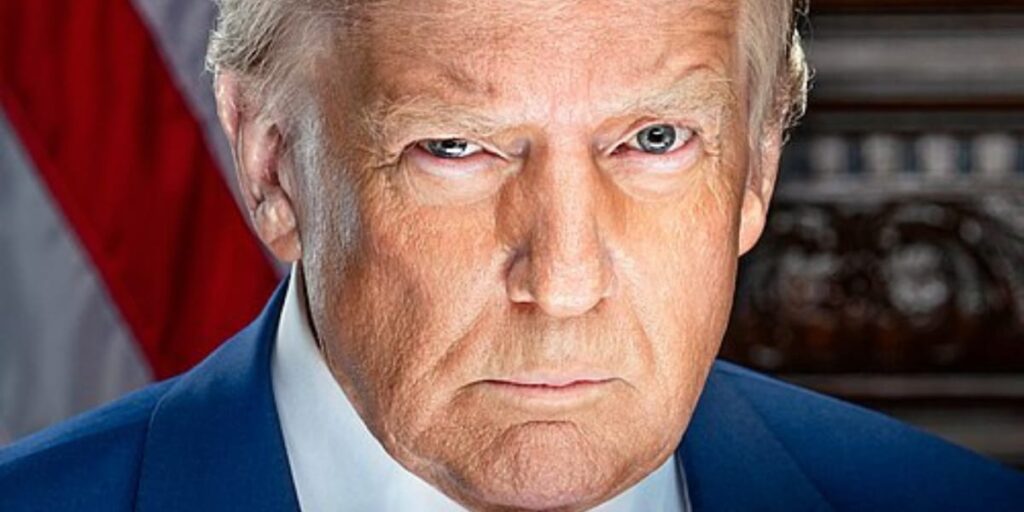
Donald Trump’s Iran Protests
Donald Trump’s Iran Protests have thrust the world into a high-stakes geopolitical firestorm, where ancient Persian streets echo with cries for freedom amid brutal crackdowns and presidential warnings. In the shadow of minarets now scarred by unrest, these demonstrations challenge Tehran’s iron grip, pulling global powers into a volatile drama sparked by economic despair.
Roots of the Uprising
The protests ignited on December 28, 2025, triggered by the dramatic collapse of the Iranian rial amid crippling international sanctions tied to the nation’s nuclear ambitions. What began as frustration over soaring inflation and daily hardships quickly swelled into nationwide unrest, with demonstrators demanding an end to clerical rule and greater freedoms.
Human Rights Activists News Agency reports over 2,500 deaths, including more than 100 security personnel, 13 children, and ordinary civilians caught in the crossfire. Over 18,400 arrests have occurred, with fears of imminent executions for detainees as Iran’s judiciary signals swift trials.
Iran’s Brutal Crackdown
Security forces unleashed a ferocious response, deploying anti-riot police, Revolutionary Guard units, and Basij militias to quell the crowds. Witnesses describe streets turning into war zones, with gunfire scattering protesters who lack arms.
Foreign Minister Abbas Araghchi dismissed inflated casualty figures in a Fox News interview, blaming “terrorist elements” led from abroad for deaths, including gruesome acts like beheadings and burnings of police. He insisted the government maintains “full control” and has no plans for mass hangings, urging calm to avoid escalation.
Yet, reports paint a grimmer picture: private hospitals raided for injured protesters’ details, and mass funerals for slain security members attended by thousands waving portraits of Supreme Leader Ayatollah Ali Khamenei.
Trump’s Bold Warnings
President Donald Trump, reelected in 2024, has positioned himself as a champion of the Iranian people. On social media, he urged “Iranian Patriots” to “KEEP PROTESTING — TAKE OVER YOUR INSTITUTIONS!!!” and declared, “HELP IS ON ITS WAY,” while canceling talks with Iranian officials until the “senseless killing” stops.
Trump is weighing military options, briefing his national security team on tailored strategies. This follows U.S. strikes on Iranian nuclear sites in June 2025 during a brief Israel-Iran war, where American forces asserted air superiority.
In a Reuters interview, Trump voiced skepticism about exiled opposition leader Reza Pahlavi, son of the last Shah, calling him “very nice” but doubting his ability to rally domestic support. “We really aren’t up to that point yet,” Trump noted, hinting any regime could falter amid such turmoil.
Tehran’s Defiant Reply
Araghchi delivered a stark message to Trump: “Do not repeat the same mistake that you did in June.” He argued that bombing facilities failed to destroy Iran’s nuclear technology or resolve, warning repetition would yield the same futile outcome.
Iran extended its airspace closure to commercial flights until 7:30 a.m. local time, citing security amid Trump’s threats. No official reason was given, but it disrupts global routes.
U.S. responses include precautionary evacuations at Al Udeid Air Base in Qatar and travel curbs at bases in Kuwait, signaling regional brace for potential conflict.
Global Ripples and Travel Chaos
Indian carriers Air India and IndiGo issued advisories, rerouting flights over the closed airspace and warning of delays. “Safety of our passengers and crew remains top priority,” Air India stated.
Everyday Iranians live in fear: schools shuttered, plainclothes agents patrolling streets, and mothers hesitant to venture out amid lingering gunfire echoes.
Strategic Implications and Outlook
These events revisit familiar tensions, echoing the 1979 Revolution’s scale but amplified by social media and economic woes. Trump’s rhetoric risks igniting another flashpoint, yet his caution on Pahlavi suggests no hasty regime-change push.
Iran’s resilience shines through defiance, but internal fractures—currency freefall, protest momentum—could erode the regime if global pressure mounts. Diplomacy remains viable; Araghchi affirmed Tehran’s readiness for talks if the U.S. engages sincerely.
From a broader view, this crisis underscores how economic levers like sanctions can fuel unrest, challenging authoritarian stability. For global markets, prolonged airspace issues threaten supply chains, while energy prices hover amid Middle East volatility. Trump’s approach, blending tough talk with strategic ambiguity, may deter escalation without full commitment, buying time for protesters. Yet, history warns that external interventions often complicate internal quests for change—true transformation must brew from within Iran.
Our website : click here